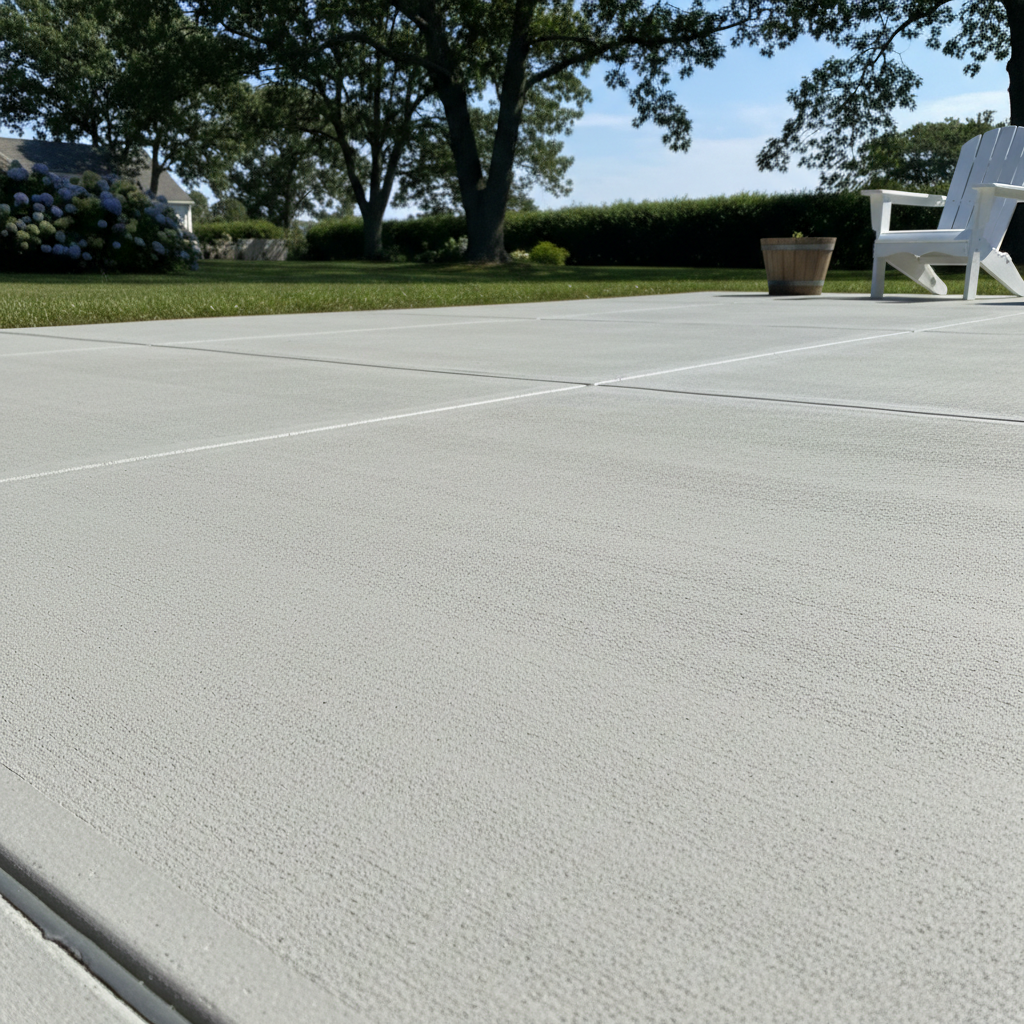
What's the real difference between concrete and pavers for a patio?
This is probably the most common question I get, and it's a good one. When you're looking at concrete versus pavers for a patio, you're really looking at two different animals. Concrete, when it's poured right, is a monolithic slab. It's one big piece. That means fewer joints where weeds can sprout up, and it's generally a smoother surface. You can stamp it, color it, give it all sorts of textures to make it look like stone or brick, but it's still concrete underneath. Pavers, on the other hand, are individual units. They're laid on a compacted base with sand in between. They offer a ton of design flexibility because you can mix and match shapes and colors easily. If one paver gets damaged, you can replace just that one. But, those joints? They're prime real estate for weeds and moss, especially with our damp Barrington weather. You'll also find pavers can settle unevenly over time if the base isn't perfectly done or if we get a lot of freeze-thaw cycles. For a low-maintenance, solid surface, concrete usually wins. For intricate patterns and easy spot repairs, pavers might be your pick.
How long does a concrete patio actually last in Rhode Island?
A well-installed concrete patio around here? You're looking at 20 to 30 years, easy. Sometimes even longer. The key phrase there is "well-installed." That means proper site preparation, a good compacted sub-base, the right concrete mix for our climate, and proper curing. We've got those harsh New England winters with freezing and thawing, which can be tough on concrete if it's not done right. You need air-entrained concrete, which has tiny air bubbles that relieve internal pressure from freezing water. You also need proper control joints to manage cracking. If you skimp on any of those steps, you'll see issues a lot sooner – spalling, cracking, uneven settling. But if you do it right, and you take care of it with a good sealer every few years, it's incredibly durable. I've seen patios we poured decades ago that are still looking fantastic.
Will my concrete patio crack? How do you prevent it?
Look, anyone who tells you concrete won't crack is either lying or doesn't know concrete. Concrete will crack. It's just what it does as it cures and as it expands and contracts with temperature changes. The goal isn't to prevent cracking entirely, but to control where those cracks happen. That's where control joints come in. We cut grooves into the fresh concrete, usually about a quarter of the slab's thickness. These joints create weakened planes, so when the concrete inevitably cracks, it's encouraged to crack along those lines, making it less noticeable and structurally sound. Proper sub-base preparation is also huge. If the ground underneath isn't stable, the slab can move and crack more randomly. We also use rebar or wire mesh reinforcement. It doesn't prevent cracking, but it holds the slab together if a crack does form, preventing it from separating or heaving. It's all about managing expectations and using proven techniques.
What kind of maintenance does a concrete patio need?
One of the big draws of concrete patios is how low-maintenance they are. You're not going to be pulling weeds out of a thousand joints like you might with pavers. For regular cleaning, a good sweep with a broom and an occasional wash with a hose and some mild detergent is usually all you need. If you get stubborn stains like oil or rust, there are specific concrete cleaners you can use, but always test them in an inconspicuous spot first. The most important maintenance step is sealing. I recommend sealing your concrete patio every 2-3 years, especially here in Barrington with the salt air and winter weather. A good quality sealer protects against moisture penetration, staining, and the freeze-thaw cycle. It also helps preserve any decorative finishes you might have. It's an easy job you can do yourself, or we can handle it for you. Beyond that, just keep an eye on it, and if you see any significant issues, give us a call at Heritage Concrete & Masonry.
Can you really make concrete look like stone or wood?
Absolutely, you can! This is where decorative concrete really shines. We're not talking about that boring gray slab anymore. With stamping, we press patterns into the wet concrete to mimic the look and texture of natural stone, brick, slate, even wood planks. Then we can apply integral colors to the mix itself, or use color hardeners and release agents on the surface to get a really rich, varied tone. You can get something that looks just like bluestone or cobblestone, but with the durability and lower maintenance of concrete. It's pretty amazing what you can do these days. The trick is choosing the right pattern and color combination that complements your home's style. We can show you plenty of samples and pictures of past projects so you can see what's possible.
How long does it take to install a concrete patio?
The actual pouring and finishing of a concrete patio is usually a one-day job for most residential projects. But that's just the tip of the iceberg. Before the pour, there's a lot of prep work. We've got to excavate the area, ensure proper drainage, build and set the forms, lay down and compact the sub-base, and install any reinforcement like rebar or wire mesh. That prep work can take anywhere from a day to a few days, depending on the size and complexity of the patio, and what we find when we start digging. For instance, if your backyard in Rumstick Point has a lot of old fill or tricky grades, that'll add time. After the pour, the concrete needs to cure. You can usually walk on it after 24-48 hours, but you'll want to keep heavy furniture or vehicles off it for at least 7 days, and it won't reach its full strength for about 28 days. So, from start to finish, you're generally looking at a week or two, with the majority of that time being prep and curing.
What factors affect the cost of a concrete patio?
A few things really drive the price when it comes to concrete patios. The biggest one is size, obviously – a bigger patio means more materials and more labor. Then there's the finish. A basic broom finish is the most economical. If you want stamped and colored concrete, that's going to add to the cost because it requires more specialized materials, tools, and skilled labor. Site access is another big one; if we can't easily get our equipment and concrete trucks into your backyard, it makes the job harder and takes more time. Any necessary grading or drainage work can also impact the price. And finally, the existing conditions. If we have to remove an old patio or a lot of existing landscaping, that's an additional cost. We always provide a detailed quote so you know exactly what you're paying for.
Should I seal my new concrete patio, and when?
Yes, absolutely, you should seal your new concrete patio. Think of it as insurance for your investment. A good sealer protects the concrete from moisture penetration, which is crucial for preventing damage from our freeze-thaw cycles here in Rhode Island. It also guards against staining from spills, leaves, and general grime. For a brand new patio, you typically want to wait until the concrete has fully cured, which is usually around 28 days. This allows all the moisture to escape and the concrete to reach its maximum strength before you lock it in with a sealer. Some decorative concrete might get a sealer applied sooner as part of the finishing process, but for basic broom-finish concrete, waiting that month is a good rule of thumb. It'll extend the life and beauty of your patio significantly.